Collecting roots reggae records and listening to Bob Marley’s “Exodus” on repeat, I always heard that Rastafari was more than just a religion — it was a way of life.
Little did I know that one day I’d travel to Jamaica, walk through historic communities like Trench Town and feel the heartbeat of the island itself.
Rastafari — often called Rasta or Rastafarianism — is a spiritual movement born out of struggle, hope, identity and resistance that has shaped culture in Jamaica and across the world.
Roots in Jamaica’s History: From Garvey to Howell
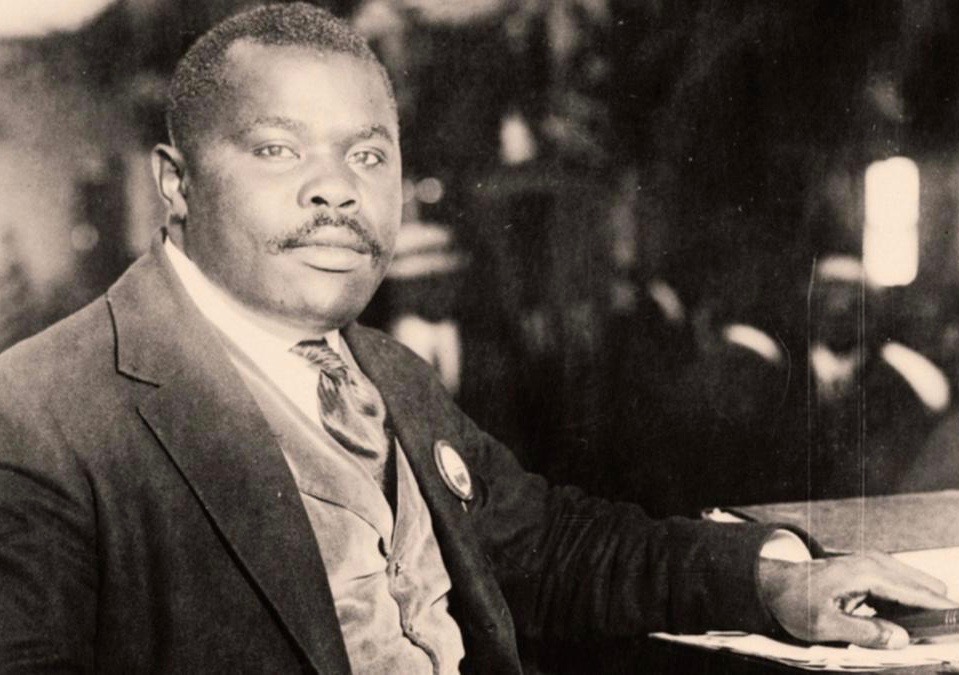
Central to Rastafari’s spiritual foundation is Marcus Garvey, the Jamaican-born leader of the Universal Negro Improvement Association (UNIA).
Garvey’s powerful message of Black pride, self-determination and looking to Africa for redemption inspired many.
Although he never explicitly founded Rastafari, his teachings laid vital groundwork for what was to come.
The first true Rasta preacher was Leonard Howell, who returned to Jamaica from the United States in the early 1930s after involvement with the UNIA.
Howell proclaimed that Haile Selassie I, the newly crowned Emperor of Ethiopia, was a living messiah for Black people.
Howell’s 1935 pamphlet “The Promise Key” and charismatic preaching spread this belief rapidly among Jamaica’s urban poor.
Another early leader was Joseph Hibbert, who began preaching similar messages after extensive experience abroad, helping Rastafari grow beyond a single figure into a movement.

Haile Selassie’s Historic Visit to Jamaica
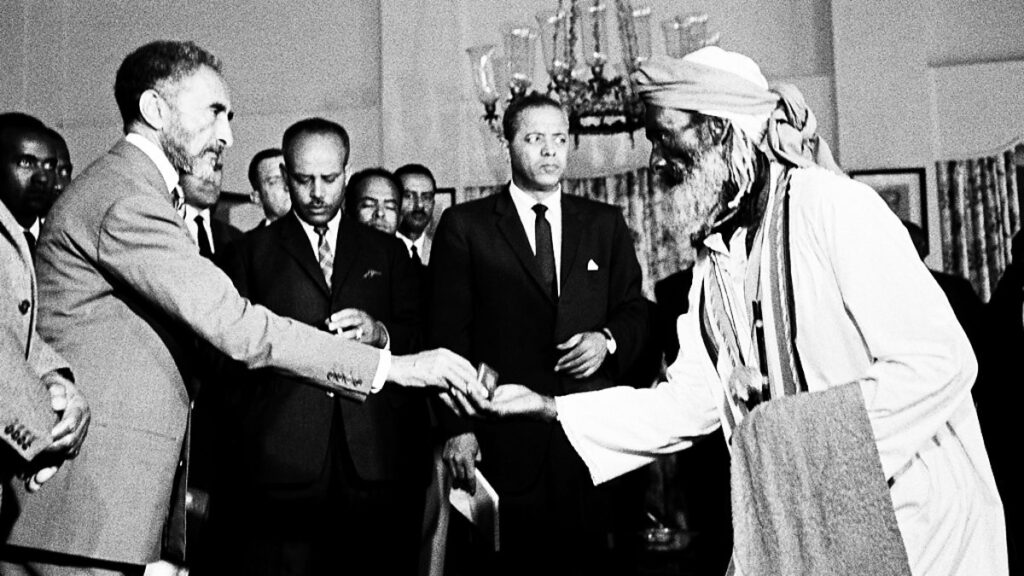
One of the defining moments in Rastafari history was Emperor Haile Selassie’s visit to Jamaica on April 21, 1966 — now celebrated as Grounation Day.
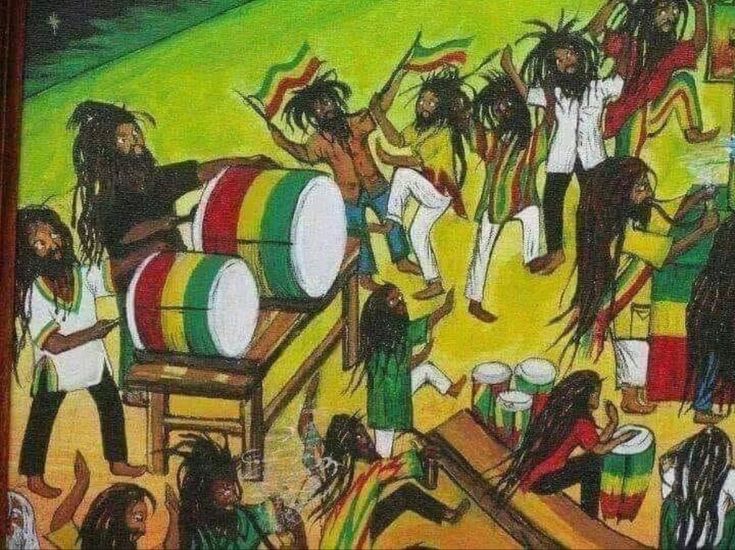
Tens of thousands of Rastas gathered at the airport in Kingston, chanting and drumming in anticipation of the man many believed to be divine.
Initially Emperor Haile Selassie didn’t step down the stairs — the crowd was so overwhelming that the Jamaican government called on Rastafari elder Mortimo Planno to meet him instead — but the moment became symbolic of acceptance, recognition and the movement’s global momentum.
Back-O-Wall, Trench Town and Rasta Community Roots
Early Rastafari communities formed in fringes of Kingston, especially in areas like Back-O-Wall and later the equally iconic Trench Town.
These neighbourhoods fermented spiritual resilience, resistance to colonial norms and communal living that inspired reggae musicians and cultural icons.
Many Rastas lived in gullies and makeshift camps, practising their faith away from mainstream society.
Diet, Dreadlocks and Spiritual Practices
Rastafari lifestyle — often called livity — emphasises living in harmony with nature.
This includes the Ital diet, which focuses on natural, plant-based foods without artificial additives — a practice designed to “increase life energy”.
Some Rastas wear dreadlocks — not merely a fashion statement, but a deeply spiritual symbol connected to Nazirite vows in the Bible and a physical expression of identity, resistance and ancestral connection.
Houses of Rastafari: Diverse Groups and Beliefs
Rastafari is not monolithic — there are different groups, sometimes called “mansions”:
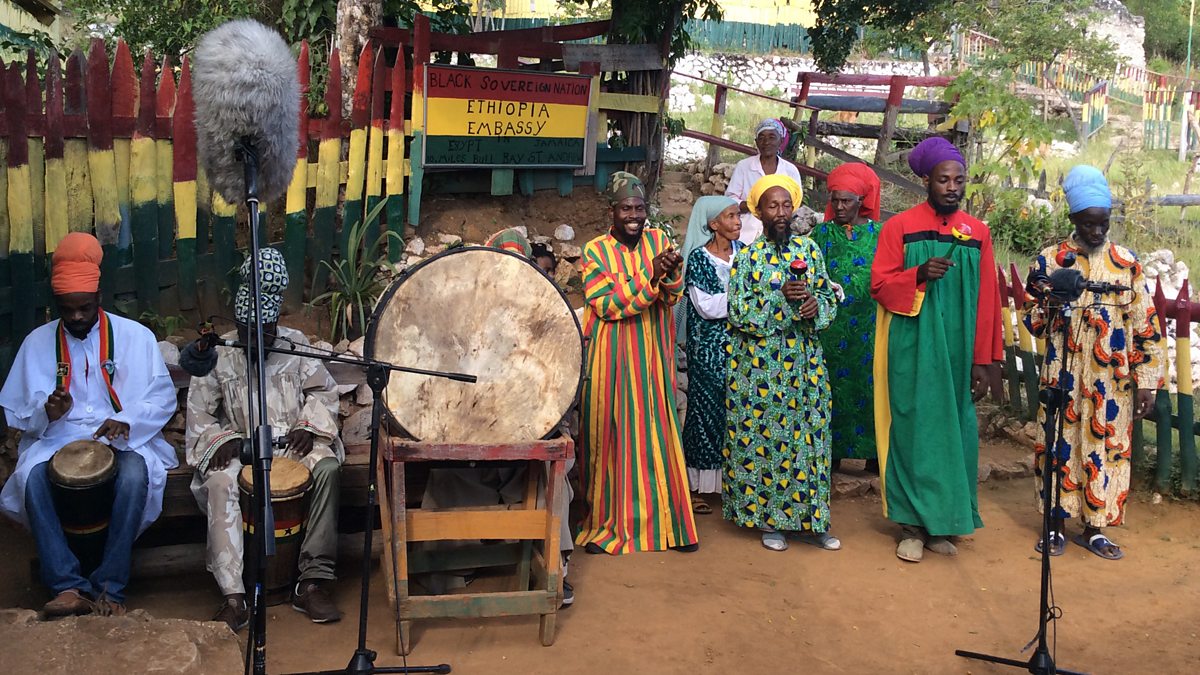
Nyahbinghi: One of the oldest orders, known for ceremonial drumming and chanting.
Twelve Tribes of Israel: Founded in Trench Town in 1968, this group emphasises reading the Bible from Genesis to Revelation and was particularly embraced by musicians and middle-class youth.
Bobo Shanti: Known for wearing robes and turbans and emphasising repatriation to Africa.
All groups hold respect for Emperor Haile Selassie and the notion of Zion — a spiritual homeland.
Yet beliefs vary, with some focusing on biblical teachings and others emphasising Afro-centric liberation theology.
Rasta Influence in Music, Culture and the World
Nothing spread Rastafari like reggae music.
Artists such as Bob Marley & The Wailers, Peter Tosh, Burning Spear and many others carried Rasta beliefs into global consciousness.
Marley’s music especially — on albums like Natty Dread and Exodus — spoke of unity, resistance, love and spiritual awakening, embedding Rastafari philosophy into hearts worldwide.
Modern Legacy and Respect
Rastafari, once persecuted and misunderstood, has gained greater respect and recognition over time.
In the 1950s and 60s, followers faced legal suppression and their locks were sometimes cut by authorities.
But Emperor Haile Selassie’s visit in 1966, reggae’s international popularity and cultural ambassadors like Bob Marley helped shift perceptions.
Today, Rasta influence is global — seen from music festivals to spiritual communities and from dreadlocks in London to teachings of peace and resistance in Africa and beyond.
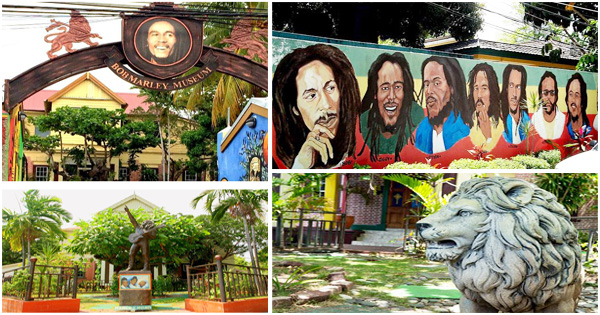
Visit the home of the reggae legend, Bob Marley.
Explore the Heart of Jamaica’s capital and learn more about its culture...