One Island That Changed Music Forever
It’s hard not to feel awe when thinking about Jamaica’s impact on global music culture.
This small Caribbean nation with a population of just a few million has given the world a musical language that is unmistakable, influential and enduring.
I’ve always been fascinated by how a tiny Caribbean island managed to transform global music.
Jamaica’s influence is everywhere, from the streets of Kingston to clubs in London, New York and beyond.
In this article we’ll explore the story of how Jamaican music changed the world, from the 1950s to the birth of hip-hop and how this little island’s rhythms still resonate today.
From “Day-O” to Ska: The Sound Begins
Before reggae was even on the radar, Jamaican music was already making waves.
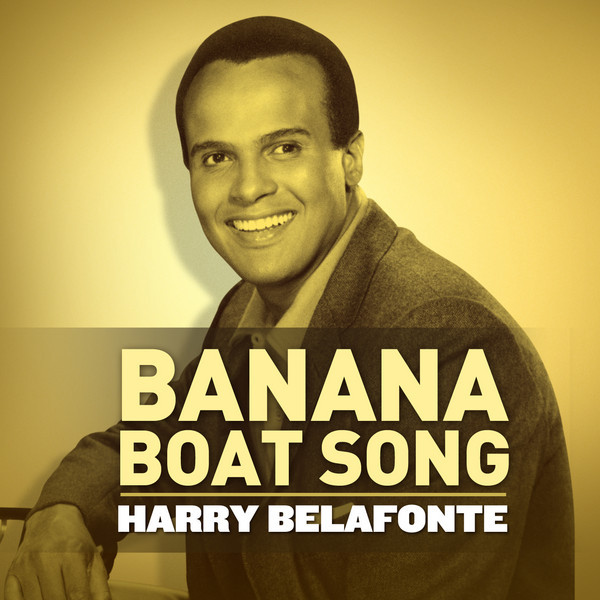
One of the earliest memorable Caribbean songs to hit the mainstream was Harry Belafonte’s “Day-O (The Banana Boat Song)”, based on a traditional Jamaican work chant that dockworkers sang as they loaded bananas in the night.
While Belafonte was born in America, the song’s roots are unmistakably Jamaican and brought Caribbean melodies to global audiences in the 1950s.
After independence in 1962, young artists blended American R&B and jazz with Caribbean rhythms, creating ska, a fast-paced rhythm driven by upbeat guitar, brass bands and infectious energy.
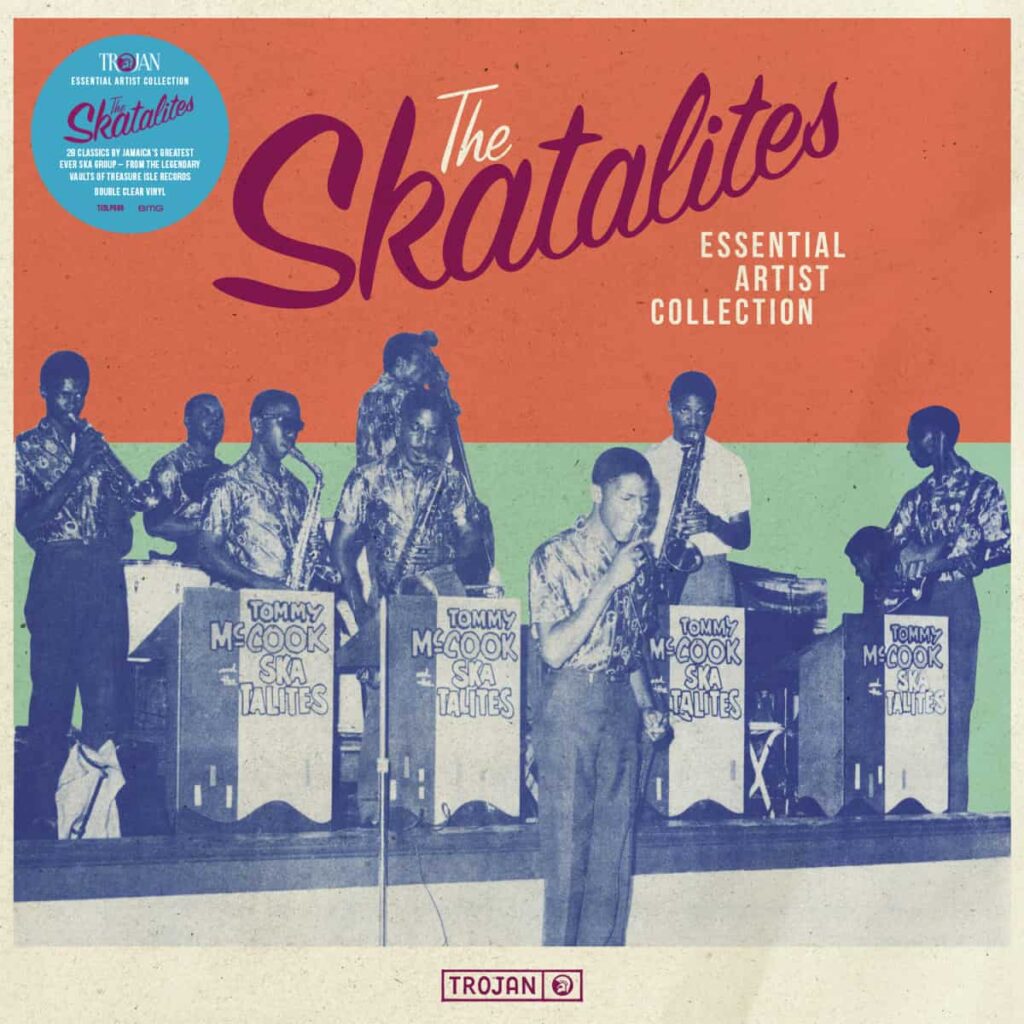
Bands like The Skatalites pioneered this sound, backing artists like Desmond Dekker and even early Bob Marley & The Wailers on their first singles.
Ska was Jamaica’s musical declaration of independence, coinciding with the country gaining political independence in 1962.
Rocksteady and Reggae: A Rhythmic Revolution
By the mid-1960s, ska slowed into rocksteady, a smoother, soul-influenced style.
This transition laid the foundation for reggae, the genre that would not only define Jamaica but also influence music worldwide.
Reggae’s message — themes of love, resistance, spirituality and unity — resonated far beyond the island’s shores.
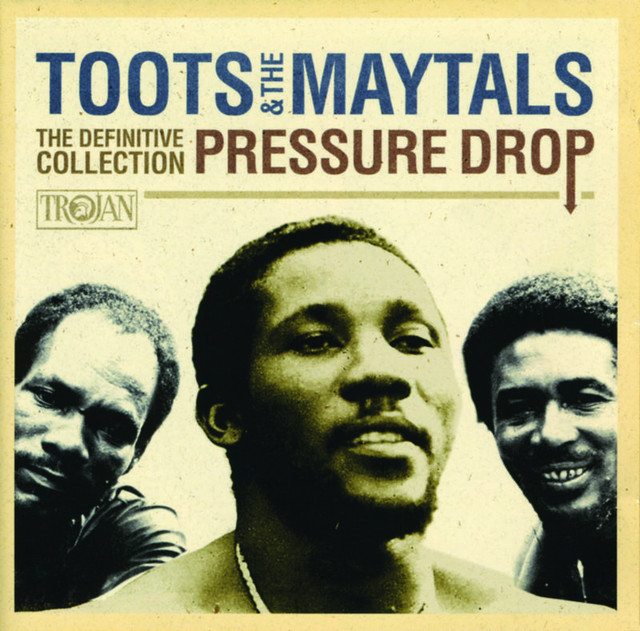
Legendary artists like Bob Marley & The Wailers, Jimmy Cliff and Toots & The Maytals brought reggae to global audiences with powerful songs and unforgettable performances.
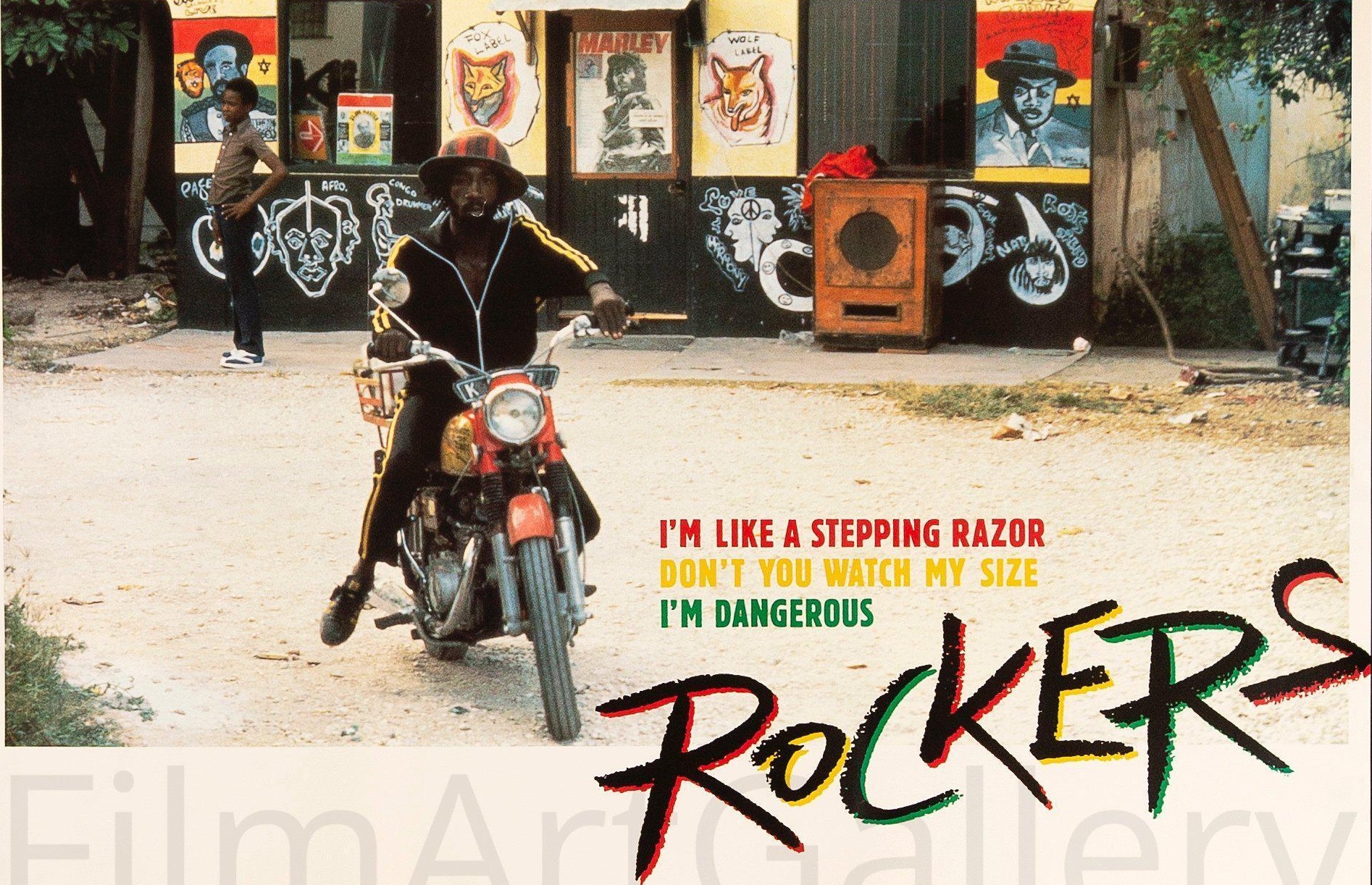
Cliff’s The Harder They Come not only produced hits but also introduced Jamaican music and culture to international cinema audiences.
If you want to explore the heart of this musical transformation in person, the Kingston Music Tour – Bob Marley Museum / Trench Town / Orange Street is an unforgettable way to walk through the history of ska, rocksteady and reggae right where it was born.
Bob Marley and the Global Voice of Reggae
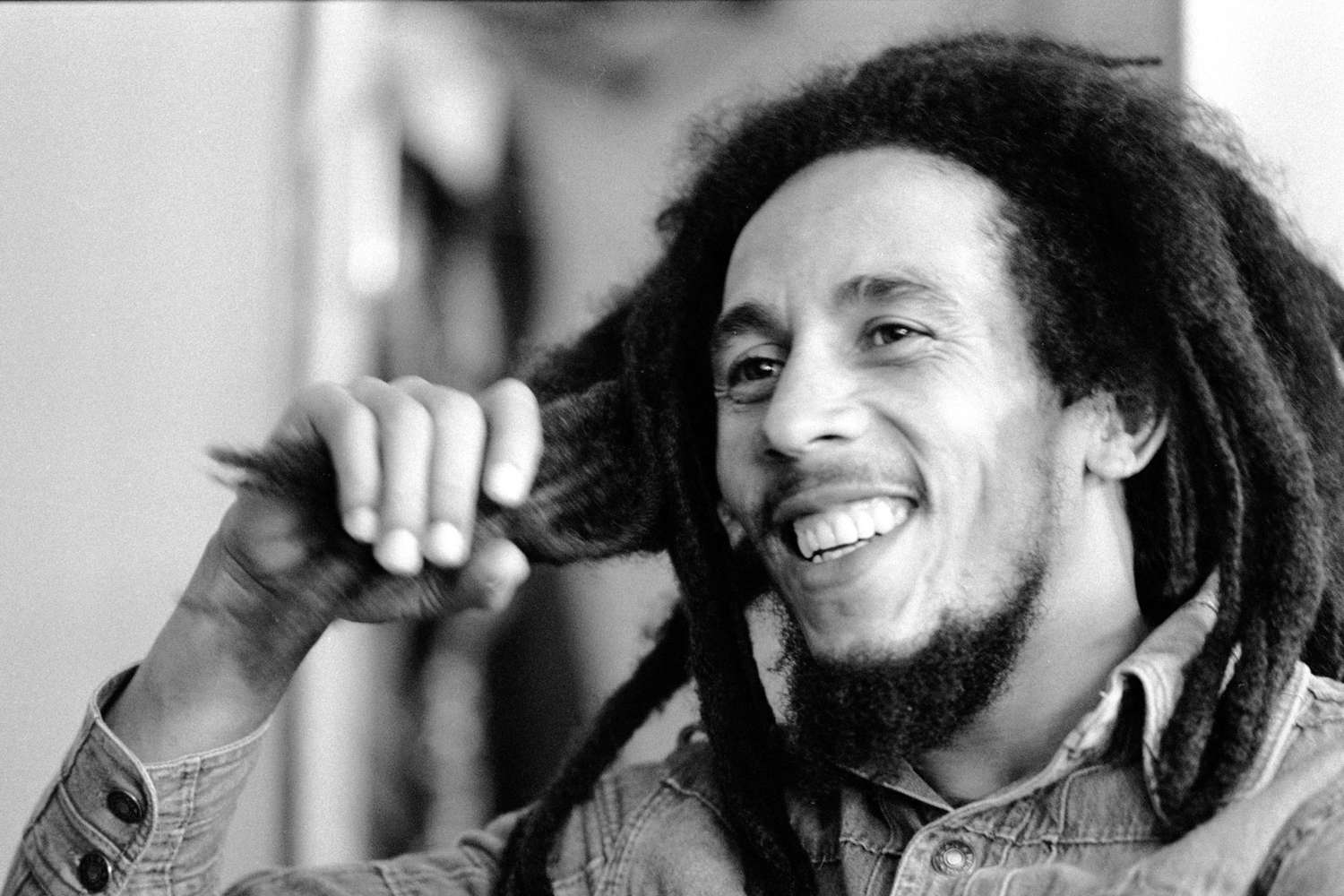
No artist symbolizes reggae’s global rise more than Bob Marley.
Born Robert Nesta Marley in Nine Mile in 1945, Marley fused ska, rocksteady and roots reggae into a sound that was spiritual, political and deeply human.
Marley’s music carried messages of peace, resistance, love and unity, delivered in a voice that felt like a conversation with the world.
With songs like “One Love”, “Get Up, Stand Up” and “Redemption Song”, he gave reggae a universal vocabulary.
British Charts and Jamaican Breakthroughs
Jamaican music cut straight into British charts at a time when UK audiences were ready for something new.
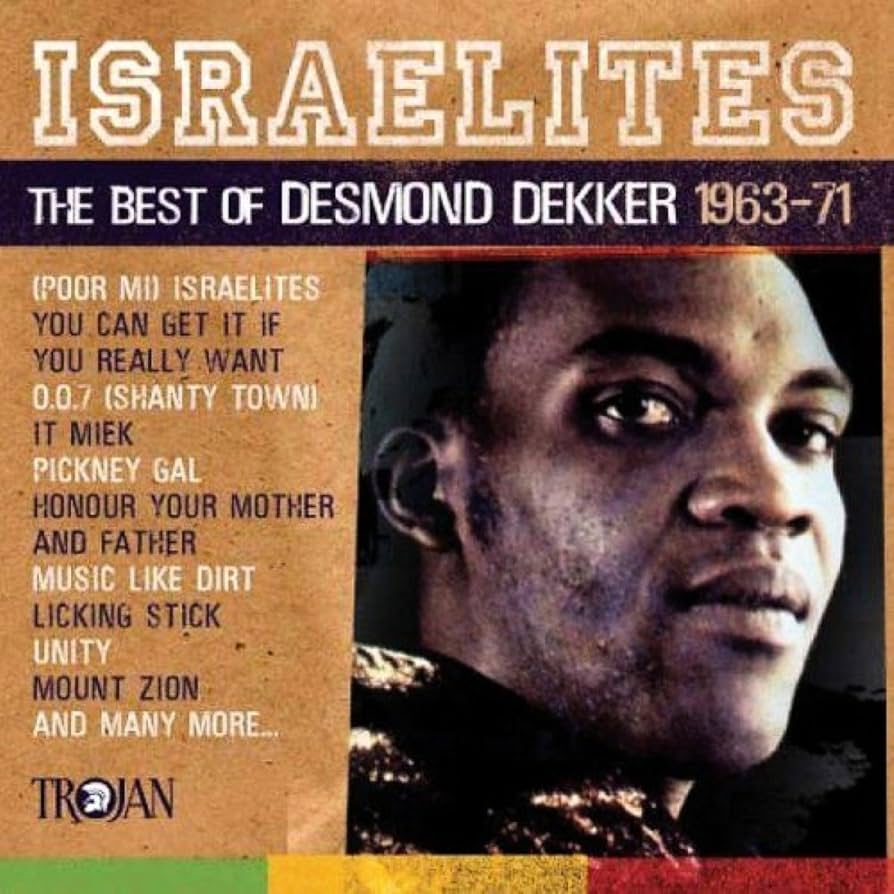
Songs like Desmond Dekker’s “Israelites” became one of the first reggae tunes to reach worldwide chart success, hitting the top spot in the UK and cracking the American Top 10 in 1969.
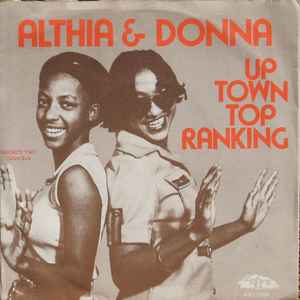
Around the same time, reggae acts like Althea & Donna scored massive hits with “Uptown Top Ranking”, which topped the UK Singles Chart in 1978 — a remarkable achievement for teenage singers from Kingston.
These chart successes helped spark a deep British love affair with Jamaican music that later blossomed into movements like 2 Tone ska revival with bands such as Madness, The Specials and The Selecter.
A Jamaican Spark in Hip-Hop’s Birth
Perhaps one of the most surprising strands of Jamaica’s musical legacy is its link to hip-hop.
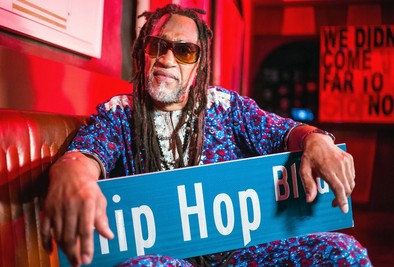
When Jamaican-born DJ Kool Herc (Clive Campbell) moved to the Bronx in his teens, he brought with him the island’s vibrant sound system culture and the art of toasting — rhythmic speech over music — a direct precursor to rap.
At a back-to-school party in 1973, Herc’s technique of extending rhythm breaks with two turntables — mirroring Jamaican selector techniques — sparked what would become hip-hop culture.
So yes, from reggae to rap, Jamaica’s influence truly knows no bounds.
Artists of Jamaican Heritage Across the Globe
Countless musicians with Jamaican roots or influences have left their mark on global music.
Artists like Sean Paul, Shaggy, Busta Rhymes, Heavy D and even pop stars like Harry Belafonte (whose father was Jamaican) carry sonic fingerprints of Jamaica’s musical DNA.
Reggae’s rhythms also seeped into pop, rock and punk — think of the reggae-flavoured grooves in songs by bands like 10cc (“Dreadlock Holiday”) that topped charts in the late 1970s.
Why Jamaica’s Influence Is So Big
Jamaica’s impact is everywhere: in language, fashion, spiritual practice and collective identity.
It’s astonishing that an island with a population smaller than many major cities can have such a massive impact.
Yet it’s the blend of innovation, cultural storytelling, rhythm and resistance that made Jamaica’s music irresistible.
From the docks of Kingston to the charts of London, Jamaican sounds have reshaped music history.
- Share This Page...
- Discover cultrally-inspired artwork
$39.99 – $129.99Price range: $39.99 through $129.99
Own a Piece of Reggae History…
$19.99 – $79.99Price range: $19.99 through $79.99
She invites you into a world where time slows and every sip carries a story of ancestry