Morant Bay Rebellion
The Morant Bay Rebellion remains one of the most pivotal moments in Jamaican history — a powerful symbol of resistance, resilience and the long struggle for social justice in post-emancipation Jamaica.
To fully understand this watershed event, we must look not just at the uprising itself, but at the broader legacy of slavery on the island and the ways in which its impact continues to shape Jamaican culture and identity.
A Legacy Born from Slavery and Inequality
Jamaica’s history was profoundly shaped by the brutal system of African enslavement established during colonial rule.
Although the British Parliament abolished slavery in 1834 and the apprenticeship system was fully ended in 1838, the promise of freedom was undermined by entrenched inequalities.
Formerly enslaved Jamaicans were often relegated to poverty, denied meaningful political participation due to poll taxes and faced systemic discrimination in land ownership and access to justice.
This legacy of economic hardship and social exclusion laid the groundwork for unrest.
The people of Jamaica — especially the rural poor — felt that emancipation had failed to deliver true freedom or dignity.
It was against this backdrop of frustration and injustice that the Morant Bay Rebellion erupted.
$21.99 – $99.99Price range: $21.99 through $99.99
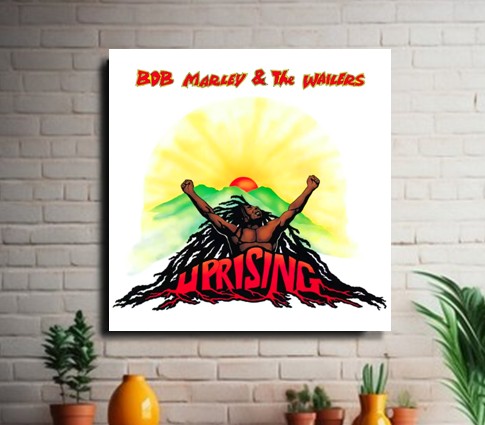
A powerful image symbolizing liberation and spiritual awakening.

The Spark in Morant Bay, 1865
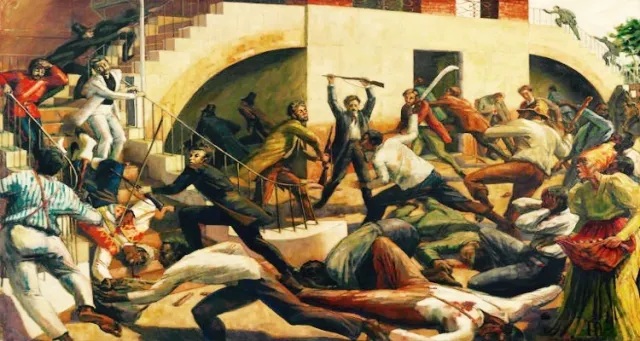
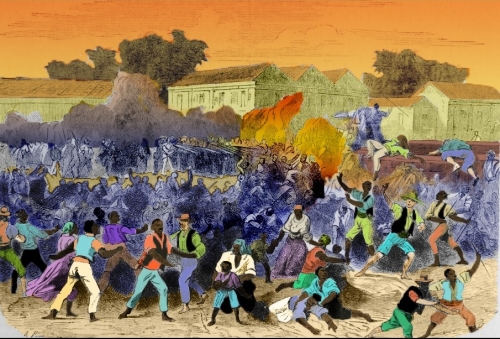
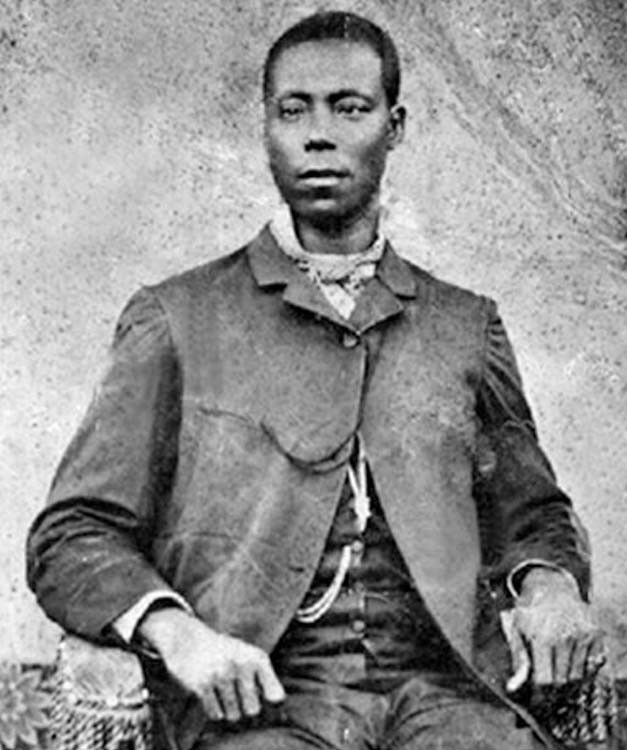
On 11 October 1865, hundreds of Jamaicans, led by Baptist preacher Paul Bogle, marched to the Morant Bay courthouse in the parish of St. Thomas to protest injustice, poor living conditions and widespread disenfranchisement.
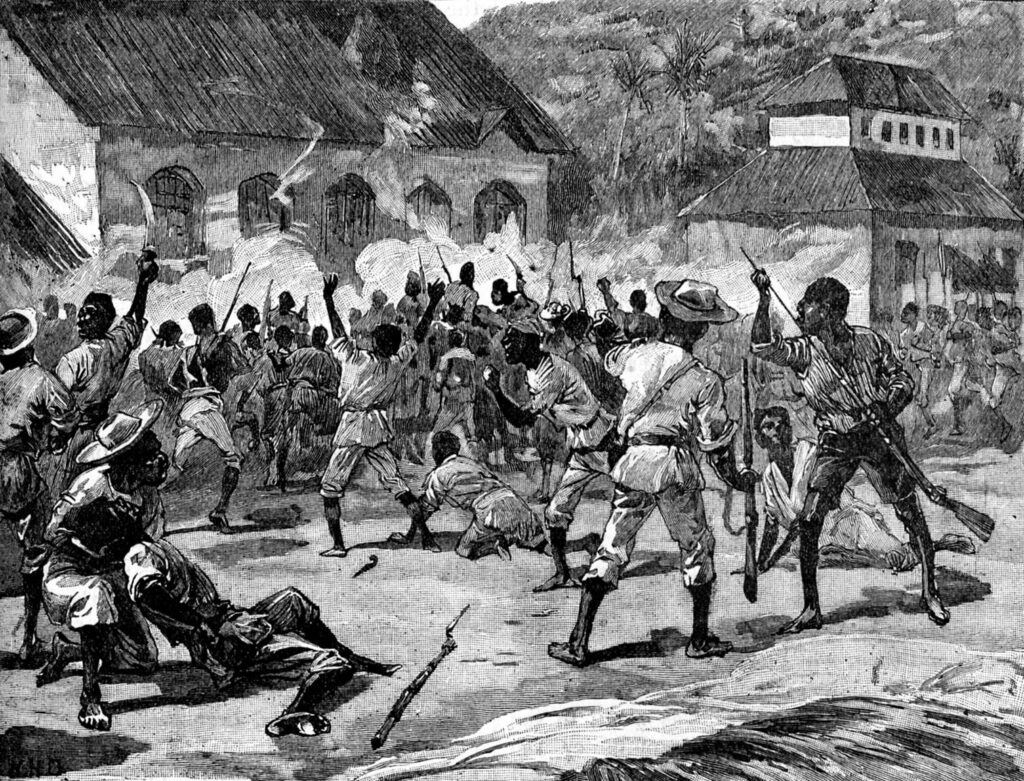
What began as a peaceful protest quickly escalated — after local militia opened fire, killing several protesters, the crowd responded by burning the courthouse and other buildings.
Over the ensuing days, the rebellion spread across the parish.
While only about 25 people were killed during the initial confrontation, the colonial government’s response was devastatingly disproportionate.
Under Governor Edward John Eyre’s orders, martial law was declared and the uprising was ruthlessly suppressed.
Hundreds of black Jamaicans were killed outright, many were flogged and scores were arrested and faced harsh sentences without trial.
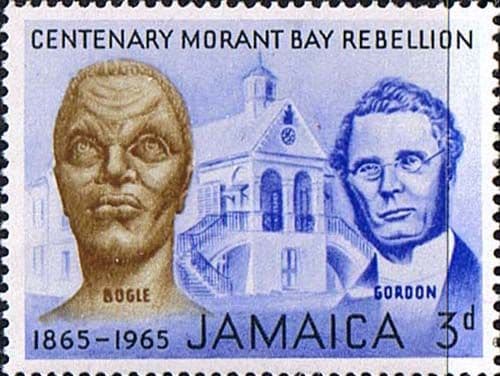
Among those executed was Paul Bogle, whose leadership and sacrifice would later make him a national hero and symbol of resistance.
Another notable figure, George William Gordon, a businessman and legislator falsely accused of inciting the rebellion, was also executed — further inflaming debates about justice and colonial rule.
Historical Impact and Cultural Meaning
The Morant Bay Rebellion marked a turning point in Jamaican colonial history.
Its suppression exposed deep flaws in the colonial system and sparked outrage both locally and in Britain.
The controversy prompted reforms in colonial governance and contributed to the eventual transformation of how British colonies were administered.
For Jamaicans today, the rebellion embodies the enduring struggle for equality, human dignity and African-Jamaican empowerment.
It is deeply woven into the fabric of Jamaican cultural memory and is commemorated in education, public monuments and historical reflections that honour those who fought for basic rights.
Why Morant Bay Matters to Jamaicans Today
The legacy of Morant Bay has a lasting resonance in Jamaican culture and heritage.
It stands as a reminder that freedom is not merely the absence of bondage, but the presence of justice, equity and opportunity.
This story, rooted in the harsh realities of slavery and the resilience of the Jamaican people, continues to inspire discussions about human rights, national identity and community empowerment.
- Share This Page...