History of Gangstas in Jamaica
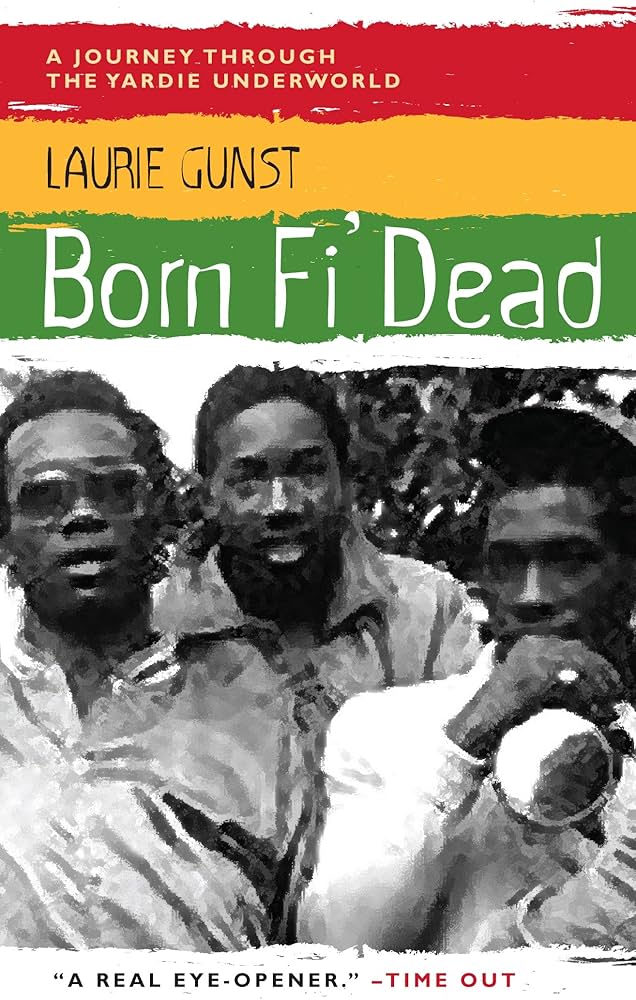
When I first picked up Born Fi’ Dead: A Journey Through the Jamaican Posse Underworld by Laurie Gunst, it opened my eyes to a gritty, complex history that sits alongside Jamaica’s musical legacy — the history of gangstas in Jamaica and how political violence, poverty and power shaped a world far from the reggae beats most of us know.
Jamaica’s gang culture is deeply rooted in politics, community dynamics and global connections.
1950s Origins — “Rudeboys” and Urban Struggle
The story begins in the 1950s, long before “posses” or the infamous Shower Posse made international headlines.
After Jamaica’s independence in 1962, Kingston’s overcrowded Trench Town courtyards became breeding grounds for disenfranchised youth.
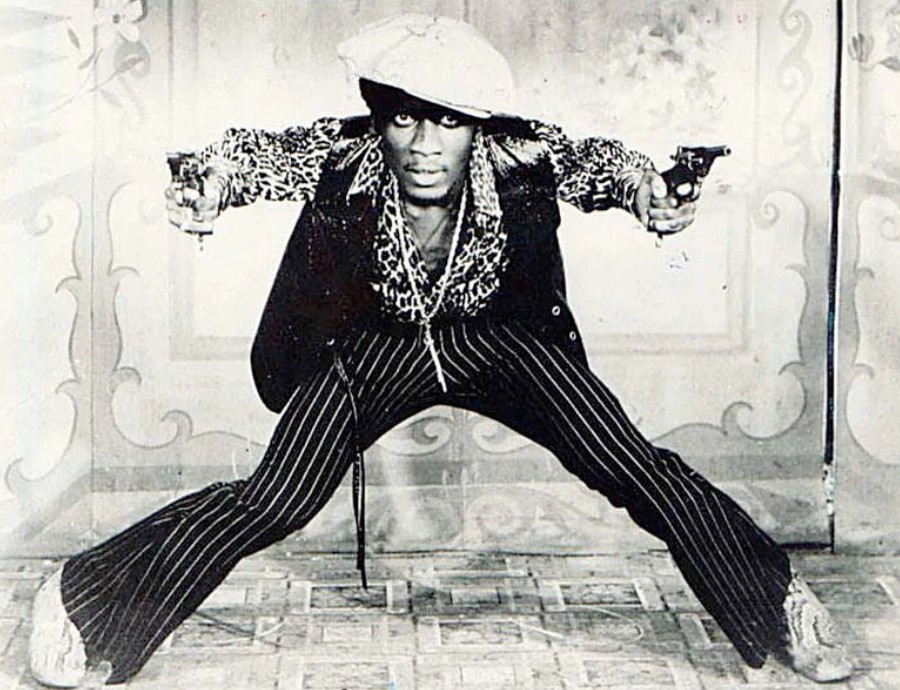
With few opportunities and a booming urban culture influenced by American films and Western genre archetypes, young men began to identify as “rudeboys” — stylish, defiant and often violent.
The influence of Western films on these early gang identities is fascinating:
Jamaican youths adopted gunfighter nicknames and personas straight from the screen, blending Hollywood bravado with their own realities of survival in Kingston’s harshest neighbourhoods.
Politics and Posses — Gangs as Political Enforcers
By the 1970s, street crews evolved into more organised groups often linked to Jamaica’s two major political parties: the People’s National Party (PNP) and the Jamaica Labour Party (JLP).
In the lead up to brutal general elections — particularly around 1980 — gunmen were recruited as political “muscle,” enforcing loyalty and intimidating voters in Kingston’s garrison communities.
This era of political violence became infamous.
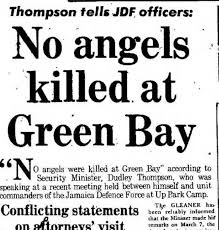
One infamous event was the Green Bay Massacre in January 1978, when five supporters of the JLP were lured to a military firing range and killed — a tragedy that revealed how deeply politics and violence were intertwined in Jamaica’s gangs.
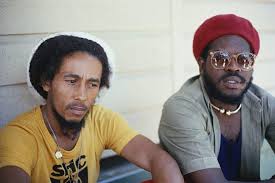
Claude Massop & Vincent “Ivanhoe/Rhyging” Martin
Two names stand out in early Jamaican gang history:
Vincent “Ivanhoe” Martin, also known as Rhyging, was a notorious gunman in the 1940s whose exploits captured the imagination of many.
His life of crime, daring escapes and violent standoffs made him a folk anti hero, later immortalised in Jamaican pop culture and in the 1972 film The Harder They Come.
Claude “Claudie” Massop emerged in the 1960s and 70s as a powerful gang leader and political enforcer.
He was admired in his community, wielding influence not just through violence but through the patronage he could offer locals.
Massop was a key figure among early “dons” — gang bosses who acted as intermediaries between politicians and neighbourhood residents.
His death in 1979 at the hands of the police marked a watershed in Kingston’s underworld history.
Massop’s story reminds us that Jamaica’s early criminals were not simply lawless thugs — they were deeply embedded in local social structures and political struggles.
From Political Muscle to International Crime
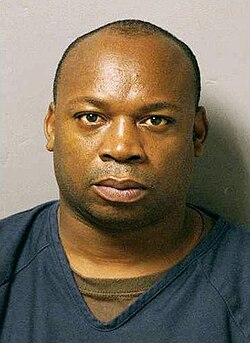
One of the most infamous Jamaican gangs to emerge was the Shower Posse, founded in the early 1980s by Lester “Jim Brown” Coke alongside leaders like Vivian Blake.
The gang took its name from the idea of “showering” bullets — and was closely tied to the JLP political machine in West Kingston’s Tivoli Gardens.
Coke himself became a dominant figure, controlling drugs, guns and political influence both in Jamaica and abroad.
The Shower Posse expanded into drug trafficking in the United States, United Kingdom and Canada, making them one of the most notorious criminal organisations of the late 20th century.
Lester Coke was known locally as a “don” — a gangster with influence over territory, political patronage and community services.
Despite his violent reputation, many residents saw him as a kind of “local hero,” providing jobs, protection, and even justice in areas abandoned by the state.
The Coke Dynasty and Dudus Coke
After Jim Brown’s death in 1992 (in a mysterious fire while awaiting extradition), the gang’s leadership passed to his adopted son, Christopher “Dudus” Coke.
Dudus became incredibly powerful, almost a parallel authority to the Jamaican government within Tivoli Gardens.
In 2010, his extradition triggered one of the most violent confrontations in Jamaica’s modern history, as security forces clashed with gunmen in Tivoli Gardens in an operation that left dozens dead.
Local Heroes or Villains?
Cultural Complexity
Jamaica’s gang history cannot be understood solely through headline violence.
The posses grew out of poverty, inequality and political patronage.
Young men joined for survival, for status and sometimes for community protection — often under the banner of political loyalty.
This history is deeply tied to garrison communities, where coverage ranges from violent conflict to social services provided by local dons when government systems failed.
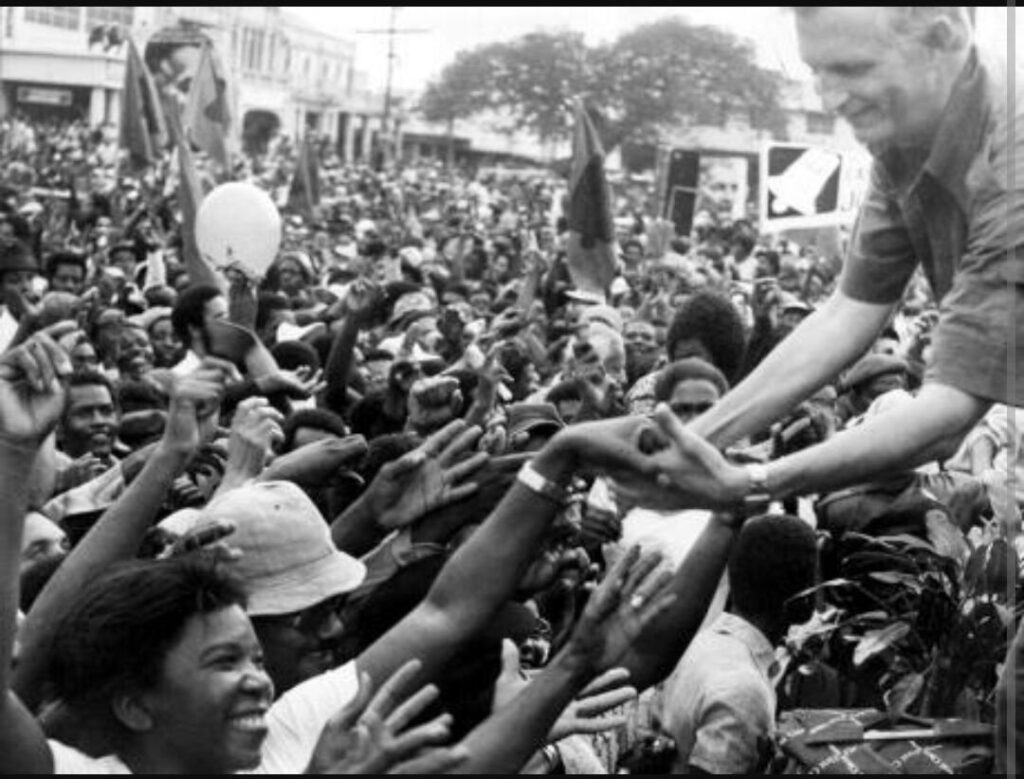
These complexities are echoed in narratives like the notorious One Love Peace Concert, which was aimed at healing political violence.

Legacy & Global Impact
By the 1980s and 90s, Yardie gangs spread beyond Jamaica’s shores, influencing organised crime in cities like London, New York and Toronto.
The term “Yardie” itself became shorthand for Jamaican organised crime abroad — a legacy tied to both home-grown political violence and the global drug trade.
Despite this grim history, understanding it offers insight into Jamaica’s political evolution, ghetto community life and the socio economic forces that shaped not just crime but culture and resistance in Jamaican society.
Explore Deeper in Jamaica
For those interested in understanding the history and culture of Kingston’s garrison communities, guided experiences like the Kingston Music Tour offer context that goes beyond music — connecting history, politics, art and life in Jamaica’s most iconic neighbourhoods.
The story of Jamaican gangstas — from early rudeboys to international Yardie networks — shows how political patronage, community struggle and global migration reshaped more than one island.
- Share This Page...
- Discover cultrally-inspired artwork
$29.99 – $117.00Price range: $29.99 through $117.00
Capture the raw emotion and breathtaking beauty
$45.00 – $150.00Price range: $45.00 through $150.00
Bob Marley comes to life as he strums his guitar with an unmatched passion