More results...

Generic selectors
Exact matches only
Search in title
Search in content
Post Type Selectors

The Life of Bob Marley

A Music Lover’s Journey Through the Making of a Legend

Growing up as a music lover, Bob Marley’s voice always felt bigger than the speakers it came out of.

Long before I ever visited Jamaica, his songs carried stories of struggle, love, faith and resistance that felt both deeply personal and universal.

Exploring the life of Bob Marley in Jamaica brings those lyrics into sharp focus because this island didn’t just inspire his music, it shaped the man himself.


Early Life: From Nine Mile to Kingston

Bob Marley was born Robert Nesta Marley in 1945 in Nine Mile, St Ann Parish, a rural village surrounded by hills, farmland and spiritual quiet.

His childhood was modest, rooted in community and storytelling.

When Bob was still young, his mother Cedella Booker moved him to Kingston, seeking opportunity in the city.

That move would change music history.

Growing Up in Trench Town

Kingston in the late 1950s and early 1960s was tough, vibrant and creative.

Bob and his mother settled in Trench Town, a government housing project that would later be known as the birthplace of reggae.

Life there was hard, but it was also full of sound — street dances, radios blasting American R&B and local musicians experimenting with ska and rocksteady.

It was in Trench Town that Bob met Bunny Wailer and Peter Tosh, forming the foundation of The Wailers.

Walking through the area today on a Kingston Music Tour, you can still feel how creativity thrived despite poverty.

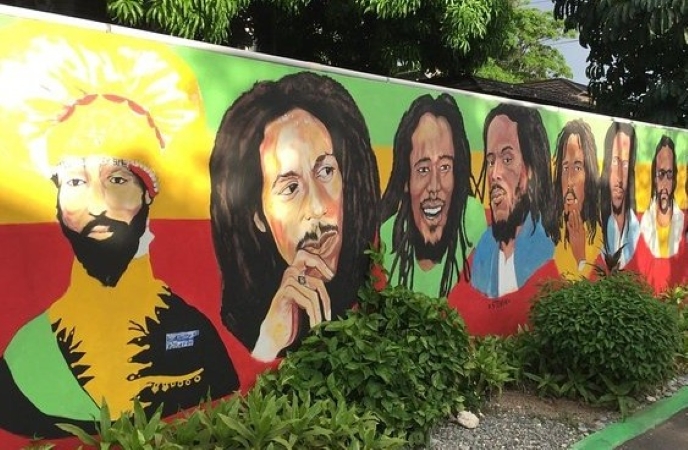
Murals, community yards and music stories bring the era vividly to life.

Early Recordings and Studio One

Bob Marley’s first recordings came in the early 1960s at Studio One, Jamaica’s most influential record label at the time.

Often called the Motown of Jamaica, Studio One was where Bob effectively lived for periods, soaking up musical knowledge, rehearsing constantly and learning discipline.

Songs like “Simmer Down” gave The Wailers their first taste of success, capturing the energy and social tension of Kingston’s streets.

Studio One shaped Bob’s song-writing and sense of rhythm, laying the foundation for reggae as we know it.

Marriage and Spiritual Growth

In 1966, Bob Marley married Rita Anderson, a fellow singer and member of the I-Threes.

Their relationship was complex but deeply influential.

Rita supported Bob’s career from the very beginning, singing harmonies and sharing his spiritual journey.

That same year, Bob briefly moved to the United States, spending time in Delaware working ordinary jobs to support his music ambitions.

It’s a reminder that even legends had moments of uncertainty.


Lee “Scratch” Perry and a New Sound

Back in Jamaica, Bob’s collaboration with producer Lee “Scratch” Perry marked a turning point.

Recording at Lee “Scratch” Perry’s Black Ark recording studio, The Wailers created raw, spiritual and politically charged music that stripped reggae to its essence.

Tracks from this era sound fearless — you can hear Bob finding his voice not just as a singer, but as a messenger.

London, Island Records and International Fame

The real global breakthrough came when Bob Marley travelled to London and signed with Island Records, led by Chris Blackwell.

This partnership transformed reggae from a local Jamaican sound into an international force.

Albums like Catch a Fire, Burnin’, Natty Dread and Exodus introduced Marley to audiences across Europe and America.

London became a second home and songs written there reflected exile, struggle and hope.

Today, visitors can explore this journey in Kingston at the Bob Marley Museum – Guided Tour, located at his former home at 56 Hope Road.

The house tells his story through personal artefacts, his bedroom, recording spaces and global awards.

Concerts, Activism and Global Impact

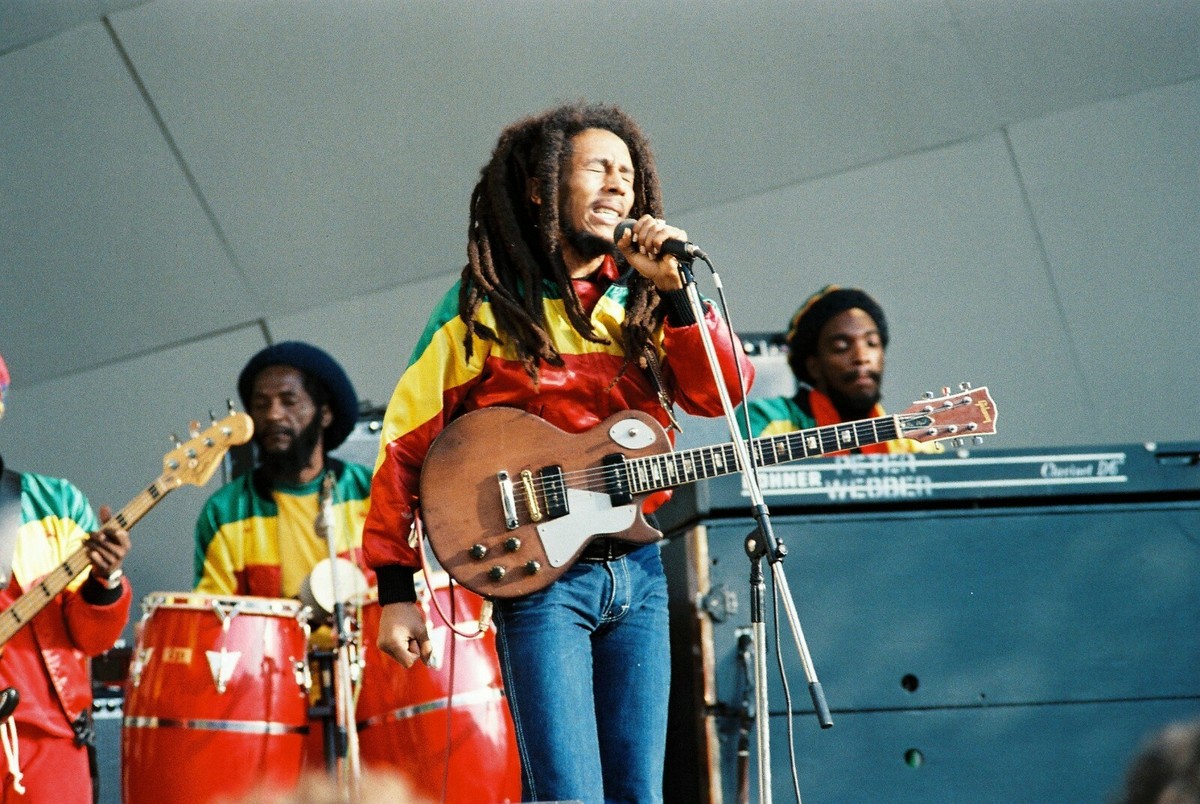
Bob Marley wasn’t just a recording artist — he was a performer of rare power.

His concerts were spiritual, political and joyful all at once.

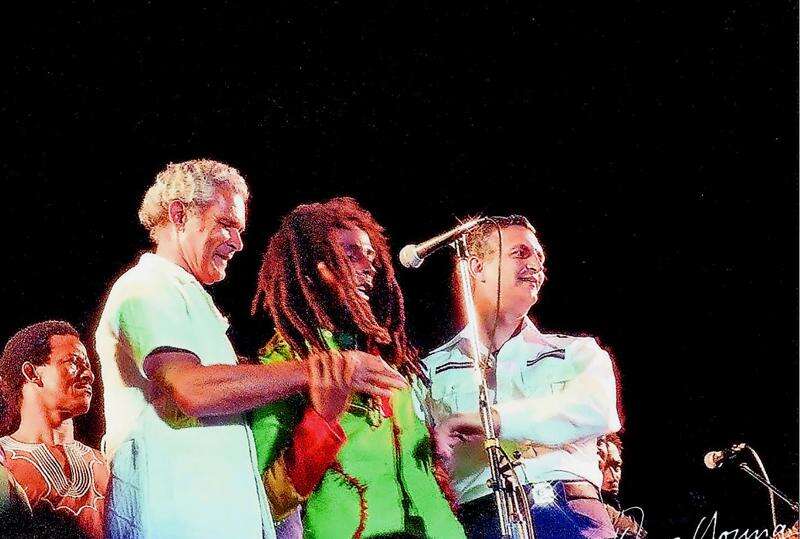
One of the most famous moments came in 1978 at the One Love Peace Concert in Kingston, when Bob brought rival political leaders on stage and joined their hands — a powerful act of unity in a divided nation.

He toured relentlessly, spreading reggae’s message worldwide and turning albums like Rastaman Vibration, Kaya and Uprising into cultural landmarks.

Illness and Legacy

In 1977, Bob was diagnosed with melanoma, a form of skin cancer that would ultimately claim his life in 1981, at just 36 years old.

Even while ill, he continued to record and perform, believing his work was bigger than himself.

His final resting place is back where it all began, in Nine Mile, which many visitors combine with Kingston experiences when exploring Marley’s life.

Why Bob Marley’s Life Still Matters

Understanding Bob Marley’s life — from Nine Mile to Trench Town, Studio One to London, Kingston to the world — makes his music resonate even more deeply.

Jamaica isn’t just the backdrop to his story; it’s the soul of it.

For music lovers, following Bob Marley’s journey through Jamaica with experiences like the Kingston Music Tour and the Bob Marley Museum guided tour isn’t just sightseeing — it’s stepping into the rhythm of history, culture and a message that still echoes across the world.

One love, one heart — and one island that changed music forever.

Immerse yourself in the story of the various forms of Jamaican music,...

Discover Jamaica’s capital, one step at a time! Explore Kingston’s murals and...

Share This Page