More results...

Generic selectors
Exact matches only
Search in title
Search in content
Post Type Selectors

King Yellowman

I grew up in London with reggae in my veins.

In Brixton clubs and at house parties, one name kept popping up in whispered reverence and raucous shouts: Yellowman — a man who would redefine Jamaican music and make the world dance to his rhythms.


From Kingston Children’s Home to Dancehall Pioneer

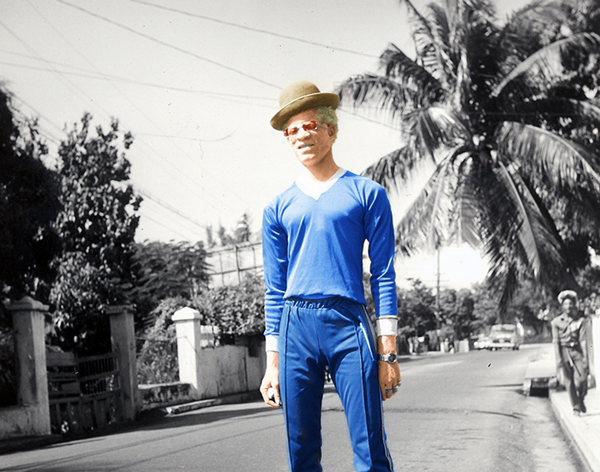
Winston Foster — the man who would become Yellowman — was born on January 15, 1956 in Kingston, Jamaica.

He didn’t have the most conventional childhood: abandoned by his parents, he grew up in the Maxfield Children’s Home and later at the famed Alpha Boys School, an institution that nurtured musical talent despite its stern reputation.

As a young boy with albinism, Winston faced social prejudice — a reality that could have broken many spirits.

Instead, he found confidence and escape in rhythm and rhyme.

That early schooling surrounded by music, stuck with him and shaped his unique voice and flow.

First Big Steps Into the Spotlight

Yellowman’s first brush with fame came through Jamaica’s beloved Tastee Talent Contest.

In 1978 he finished second — but that only fuelled his hunger.

He returned the next year and won, launching him toward a professional career that began on sound systems — the outdoor dances and parties that were the lifeblood of reggae culture.

Performing with crews like Aces International, he honed his mic skills, mastering call and response patterns and charismatic delivery that felt like a conversation with every listener.

Soon, his presence was unmistakable.


The Big Hit and International Appeal

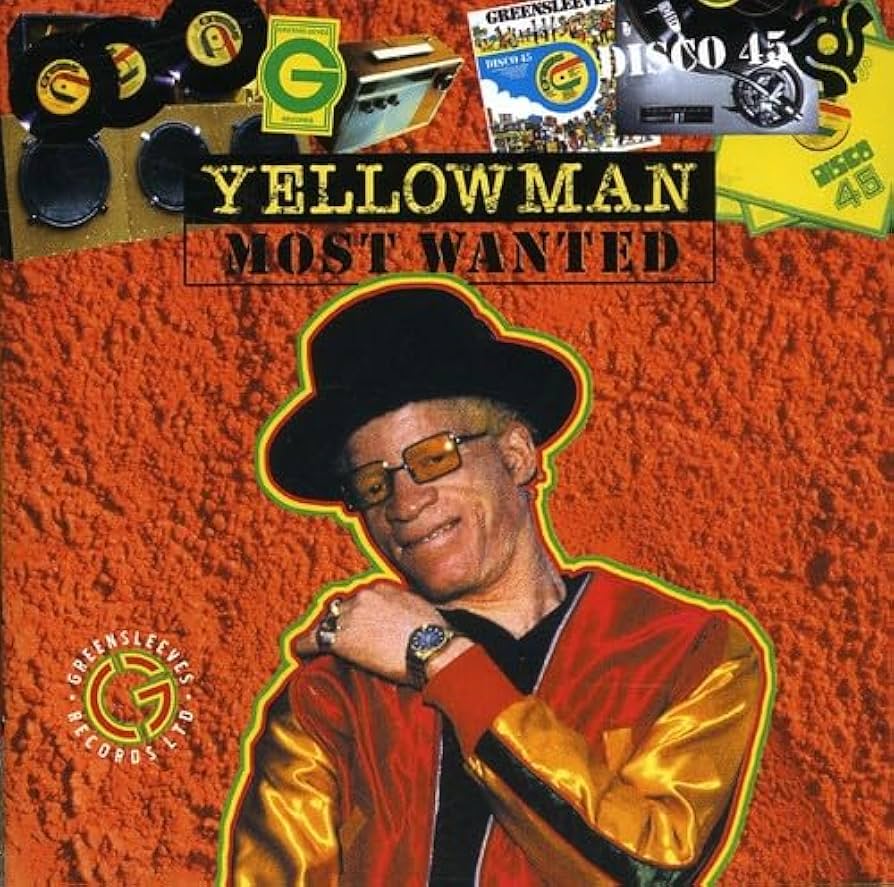
In 1981, Yellowman made history by becoming the first dancehall artist signed to a major U.S. label, Columbia Records and that was no small feat for a Jamaican deejay in what was still a niche genre globally.

His debut album, Mister Yellowman, dropped in October 1982 and stripped reggae down to bare bones — rhythm first, vocals second and attitude everywhere.

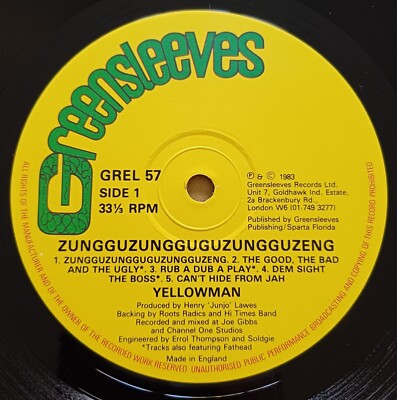
But the song that really put him on the map — not just in Jamaica but around the world — was “Zungguzungguguzungguzeng” (1983).

Its hypnotic rhythm and ear worm of a title weren’t just catchy: they embodied the dancehall spirit.

The song was built on the classic “Diseases” riddim (originally used by Alton Ellis decades earlier), but Yellowman’s vocal and lyrical flair made it unmistakably his own.

He once explained that “Zungguzungguguzungguzeng” doesn’t mean one strict thing — it was born in the moment when he heard the riddim and just rhymed it out.

Yet the song became iconic, defining early dancehall and becoming one of the most sampled and referenced Jamaican tracks ever — heard (or reshaped) by artists in reggae, hip hop and beyond.
Legendary Live Shows — Energy That Never Fades

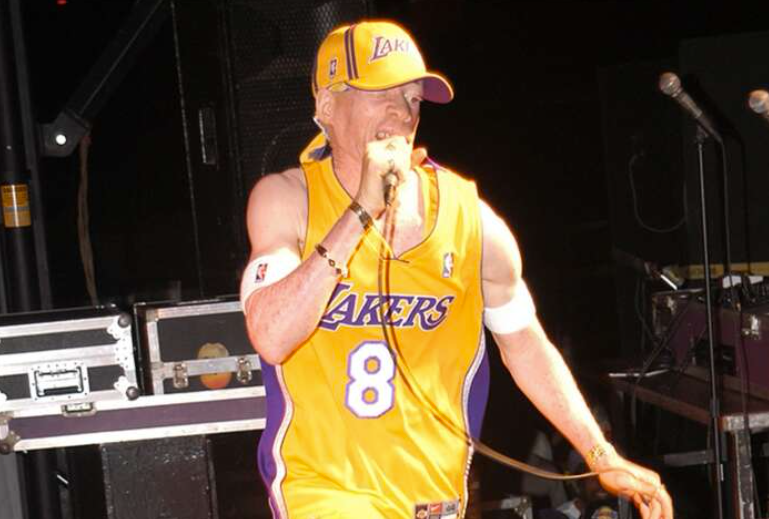
Anyone who’s seen Yellowman live (and I have, at a reggae festival in Europe) will tell you the same thing: he brings it.

Even decades after his peak, fans still scream requests for the classics.

Songs like “Nobody Move, Nobody Get Hurt”, “Who Can Make the Dance Ram?” and “I’m Getting Married (and Divorced)” still rock crowds from Kingston to Manchester.

There’s a playful, almost mischievous banter between him and the audience — like he’s teasing everyone into losing their worries one beat at a time.

People shout out lyrics mid verse and he hits them back, rhythmic and sharp.

And he almost always stays to sign autographs and take photos afterward, dancing like he’s still a young man on his first sound system stage.


Overcoming Adversity and Staying Young, Gifted & Yellow

Yellowman’s story isn’t just about success — it’s about resilience.

In the mid 1980s he was diagnosed with skin cancer that ultimately affected his jaw, requiring surgery and a period away from music.

But, true to his legacy, he bounced back, releasing hits like “Blueberry Hill” afterward and continuing to tour internationally.

His impact stretches beyond reggae.

The infectious vocal hook and rhythm of “Zungguzungguguzungguzeng” has been sampled by hip hop artists from KRS One to Notorious B.I.G. and Tupac, showing how far Jamaican dancehall travelled into global music culture.

Why Yellowman Still Matters

For me — a music lover raised on vinyl, dubplates and late night reggae sessions in London — Yellowman represents something rare: an artist who lived what he sang.

His humour, swagger, inventiveness and authentic voice helped birth dancehall as we know it.

And four decades after his biggest hit, when “Zungguzungguguzungguzeng” drops at a party, the whole room still goes wild.

He turned the challenges of childhood, the sting of discrimination and the raw energy of Kingston’s streets into music that still makes people move and legend doesn’t get much better than that.

Catamaran Boat Charter with Open bar, reef snorkeling and music for Private...

Have the best experience when you come to Jamaica - This is...

Share This Page