More results...

Generic selectors
Exact matches only
Search in title
Search in content
Post Type Selectors

The Rolling Stones love for Jamaica

For The Rolling Stones, it was tax exile, reggae and a refreshing lack of cold weather that drew them straight to Kingston in 1972.

That’s right — when Britain’s taxman was hot on their heels, Jamaica’s laid back studios were just what this rambunctious bunch needed: a bit of peace, sunshine and rum infused inspiration

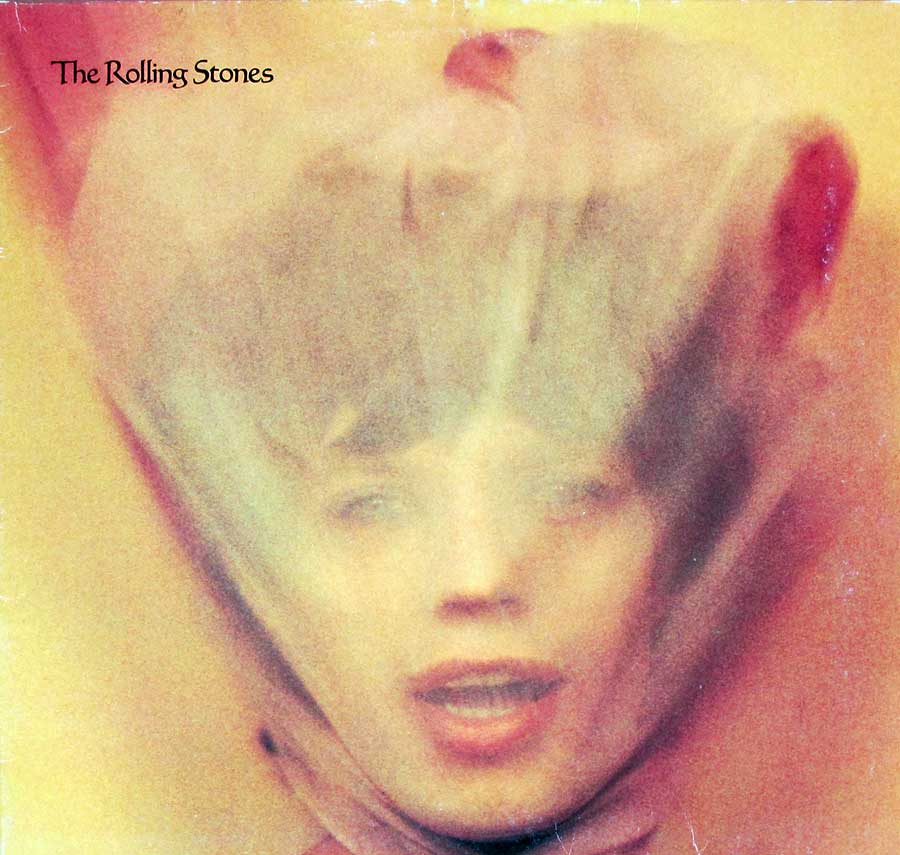
The result? One of their most intriguing records — Goats Head Soup, recorded largely at Dynamic Sounds Studio in Kingston between November and December 1972.

Those sessions weren’t just about laying down tracks, they were about absorbing vibes.

Rumour has it the album title comes from Jamaica’s hearty goat soup — known locally as mannish water.

I like to imagine Mick Jagger sauntering into the studio in linen pants, grinning, with a “let’s just see what happens today” attitude — which, if you listen to songs like Dancing With Mr D and 100 Years Ago, sounds an awful lot like whatever happened next was delightful confusion set to groove.

Even though Goats Head Soup isn’t exactly a reggae record, the Stones didn’t entirely avoid the island’s heartbeat.

They shared studio space and senses of humour with Jamaican session musicians, soaked up local rhythms and developed a friendship with the sounds of Kingston’s music community.

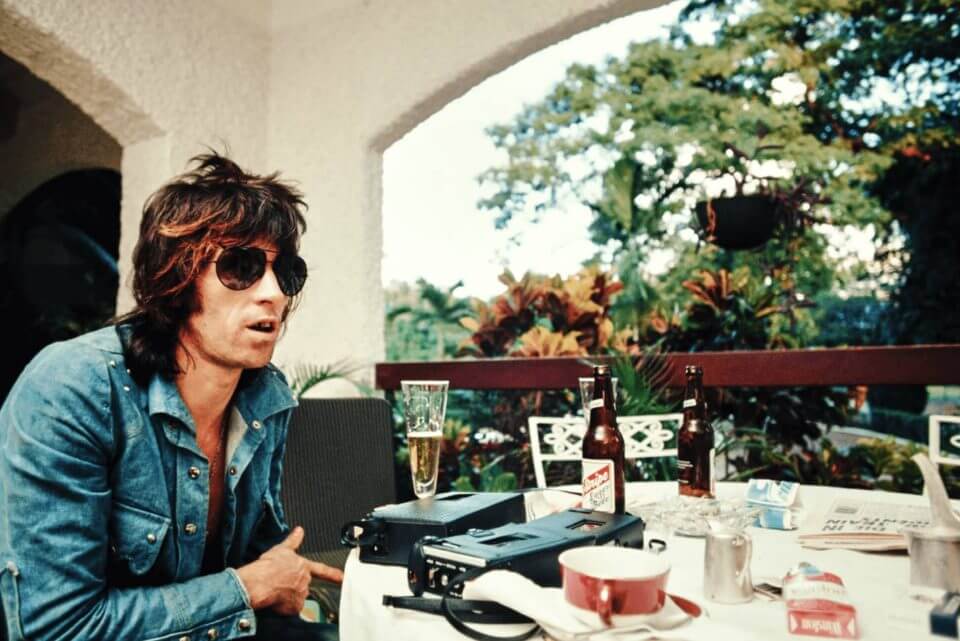
Keith Richards, in particular, seemed to take to Jamaica’s reggae culture — a love affair that would echo in his later projects and collaborations, including connections with musicians like Justin Hinds and even guesting on projects like Wingless Angels, a deep roots reggae work.

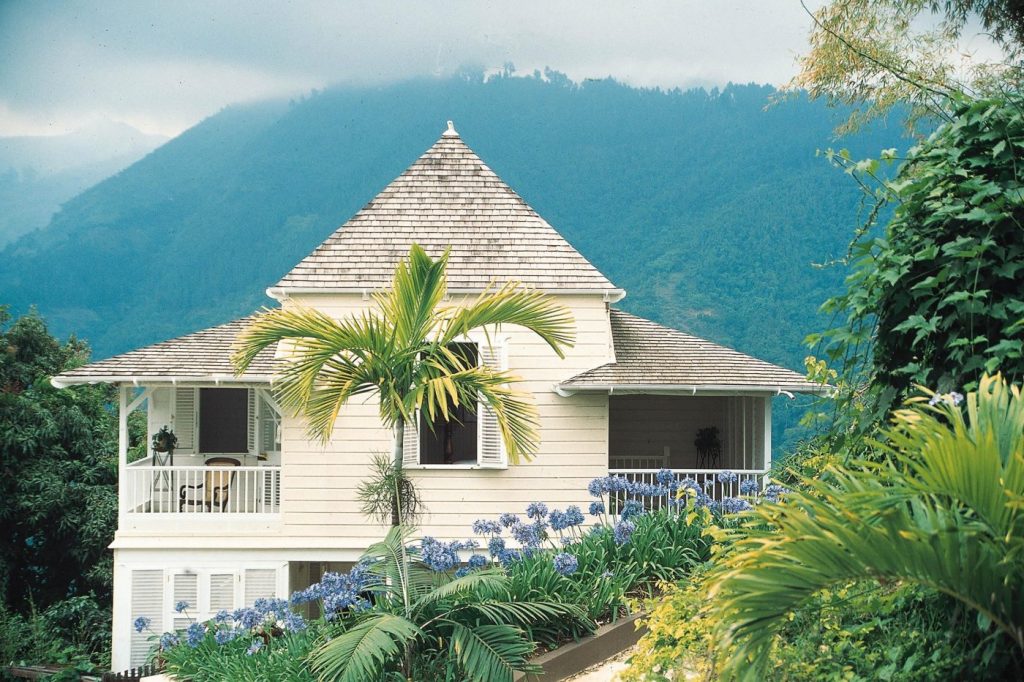
Meanwhile, at the famous Strawberry Hill retreat in the Blue Mountains — owned by Island Records’ legendary Chris Blackwell — the Stones found a hideaway that invited calm, coffee sipping and the occasional jam session.

Strawberry Hill was also a favoured refuge for Bob Marley, Grace Jones, Willie Nelson and generations of musicians who learned that altitude and breeze remove quite a lot of rock and roll bruising.

Speaking of stories, the Kingston sessions weren’t all angels and sunshine.

Imagine the band showing up with armed escorts because yes, at the time the city had its rougher edges and no, gangsters don’t generally back down for Mick Jagger’s dance moves.

The Stones reportedly recorded behind double gates and guarded entrances.

And if you’re picturing Keith Richards sipping ginger beer quietly by the sea — think again.

Legend has it he developed quite the affinity for the island and even later owned property in Ocho Rios, where he’s still spotted on vacations.

What’s delightful is that the Stones never entirely left Jamaica.

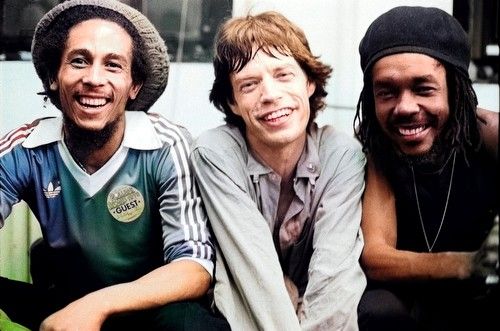
Mick Jagger himself turned up at the legendary One Love Peace Concert in Kingston in 1978, dancing in the crowd and soaking up peace and love energy long after most rock stars would have retreated to hotel bars.

In modern times, the band’s affection has been immortalized in a quirky, Caribbean inspired legacy — even extending to a Stones branded Caribbean rum called Crossfire Hurricane, blended with Jamaican and other Caribbean rums.

The Rolling Stones didn’t just record in Jamaica, they fell in love with it — not in a headline grabbing, paparazzi flashbulb way, but in a forever connected, rhythm in the bones way.

Jamaica’s influence might not be obvious on every track of Goats Head Soup, but it’s there in the looseness, the vibe, the warmth and the undeniable groove that only an island with as much musical soul as Jamaica could impart.

And whether they’re sipping rum in Ocho Rios, reminiscing about Dynamic Sounds Studio or just humming old reggae rhythms, Jamaica has clearly left a mark on these rock legends.

Uncover Jamaica’s beauty; With a serene bamboo rafting and visit to Mo'...

Discover Jamaica’s capital, one step at a time! Explore Kingston’s murals and...

Share This Page